Nameplate rating, measured draw and billed consumption are three numbers. Which one your agreement uses decides what you pay each month.
You added up your fleet's nameplate rating, multiplied it by the rate in your agreement and the hours in the period, and the figure on the invoice does not match. Which of the three numbers involved (nameplate rating, actual draw or billed consumption) is the one you should have used to check it?
Nameplate is a rating, not a reading
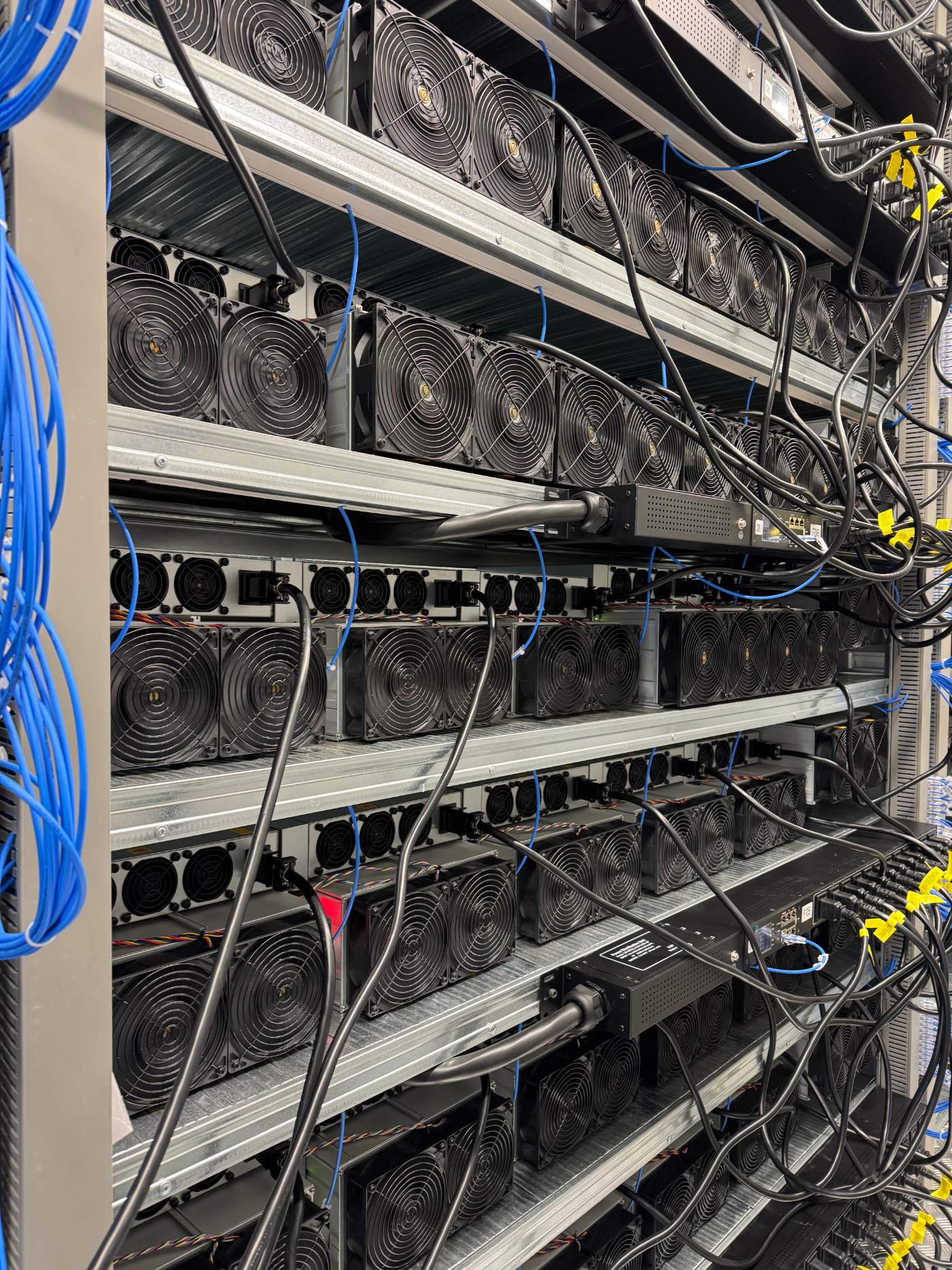
Nameplate power is the figure printed on the unit and quoted in its data sheet. It describes what the manufacturer rates the device to draw under specified conditions, not what it draws in your rack on a given afternoon. Treat it as a reference you plan around, not a number you multiply by hours and expect to reconcile against an invoice; tuning and heat can push draw above or below it. Two identical units sitting in different rows of the same facility can post different draw over the same period, and neither reading is wrong.
The gap tends to widen rather than close as hardware ages. A unit fresh out of the box and a unit that has run for a long stretch under the same conditions do not necessarily draw the same amount, and the direction of that drift is not always predictable from the data sheet alone. If you are comparing your own historical consumption to a nameplate-based estimate, expect the two to diverge further over time rather than settle into a fixed offset you can apply once and forget.
What moves actual draw away from the rating
A handful of mechanisms explain most of the gap between nameplate and what a meter records, and none of them is unusual.
- Ambient temperature at the intake changes how hard the fans and internal regulation work, which changes draw.
- Firmware version, and any tuning applied on top of it, changes the operating point the unit settles at.
- Curtailment or throttling (whether initiated by you, the host or the grid) reduces draw for the period it applies.
- A unit offline for maintenance or replacement draws nothing for that window, and pulls the fleet average down with it.
None of these individually explains a large gap, but a fleet running across a full billing period will touch several of them, and the combined effect is why a flat estimate rarely lands on the actual figure. A fleet spread across a large hall can also show a spread between units on the same rack, because airflow and intake temperature are rarely identical from one position to the next, and that spread is a property of the room as much as of any single unit. If the gap looks larger than these mechanisms would plausibly explain, raise it directly with the host rather than assuming it is one of them by default.
Where the meter sits, and what happens before your rack
The number that lands on your invoice was read somewhere, and where matters. A meter at the rack level captures close to what your hardware drew. A meter further upstream, at the container or the switchgear feeding several tenants, includes losses and shared load that occurred between that point and your equipment: transformer and distribution losses, cooling drawn from the same circuit, and the draw of any other tenant sharing the same upstream point before it is allocated back down. Ask where your invoice is metered from. If it is not at the rack, ask what the expected difference is, whether it is allocated to you as a fixed adder or measured separately, and whether that figure has ever been checked against a rack-level reading rather than assumed. A host that operates the site should be able to answer all of that without escalating the question internally first.
Which figure the agreement bills
Read this part closely rather than assuming. Some agreements bill against a fixed or capacity-based rate tied to nameplate or a contracted draw, in which case variation within that ceiling does not change the bill. Others bill against metered consumption directly, in which case every mechanism above shows up in the total. A third pattern combines the two, with a fixed charge up to a contracted level and metered billing for anything drawn beyond it, which means the answer to "which number matters" can change partway through a single invoice. The structures produce different bills from the same fleet doing the same work, and the difference is not a metering choice, it is a contractual one, so it should be findable in the agreement's definitions section rather than inferred from the total. If you are not certain which applies to you, that is the question to ask before you try to reconcile a bill against your own arithmetic. Reading your hosting invoice goes through how the resulting line items are usually split out once you know which basis you are on.
What to check before you assume an error
Work through it in order. Confirm which figure your agreement bills against (nameplate-based or metered) and whether that changes above a contracted level. Confirm where the meter sits relative to your hardware, and what is expected to sit between the two. Ask for the interval data behind the period total, not just the total itself, so you can see whether the shape of the draw over time matches what the mechanisms above would predict, and whether any single interval stands out from the rest. If a gap remains once you have accounted for all three, raise it as a specific period against a specific expected value, with your own reading attached if you have one, rather than a general sense that the number looks high.
Our hosting rate page explains how a rate per kilowatt hour is built and what sits inside the base rate, and the billing basis itself is set out in the service agreement.