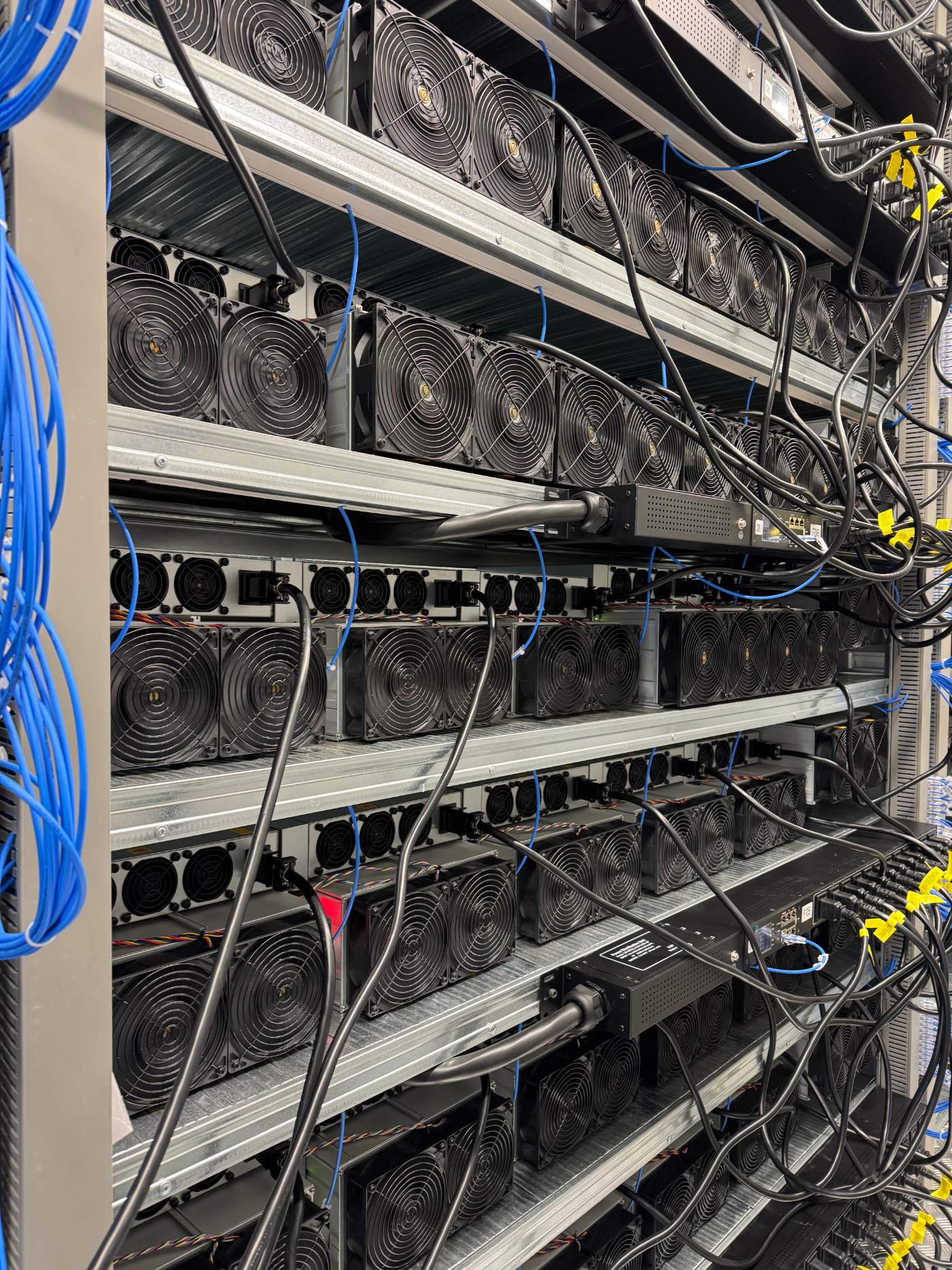
Serials, inspection, damage claims and the paperwork that saves you a year later. What should happen between the truck and the rack.
A truck arrives with your fleet on it, and what happens in the next hour decides how many arguments you have over the following year. Not because anything is likely to go wrong with the hardware itself, but because if it does, the difference between a fast resolution and a drawn-out dispute is almost entirely down to what got written down at the dock. Intake is the least interesting part of a deployment and one of the few steps where being thorough costs you nothing.
Why receiving is a separate event from delivery
Delivery means a carrier dropped pallets at a dock. Receiving means someone on the host's side took custody, counted what arrived against what was supposed to arrive, and looked at it closely enough to say whether it left the factory or the previous site in the condition it should have. Those are different moments, and treating them as the same one is how damage goes unnoticed until it is no longer anyone's clear responsibility.
The gap matters most when something is wrong. A unit that arrives with a cracked hashboard or a bent chassis needs to be flagged at the point of receipt, while the carrier is still standing there and the packaging is still intact enough to show whether the damage happened in transit or before. A fault discovered three weeks later, after racking and power up, tells you nothing about when it occurred. It could be shipping damage, handling damage, or an infant failure that had nothing to do with transport at all, and without a receiving record none of those explanations can be ruled out.
What should happen before anyone signs anything
Before a delivery is accepted and signed for, the units on the truck should be counted against the packing list and the purchase order, and looked over for visible damage to packaging, chassis and cabling. This is a sight check, not a full diagnostic. Its job is to catch the kind of damage that is obvious on inspection, so that the delivery record reflects reality rather than an assumption that everything travelled well because the box looked fine from the outside.
Signing for a delivery without this step is signing a statement that everything arrived as described. If a host asks you to sign before the count and inspection happen, push back, because the signature is the thing a later dispute gets measured against.
Serial numbers, and why they get logged before racking
Every unit's serial number should be logged against the packing list at intake, before anything goes into a rack. This is the step that turns a pallet of hardware into a set of individually accounted machines, and it is what makes later questions answerable: which unit is in which slot, which units shipped in which batch, and which serial a warranty claim or an RMA refers to.
Skipping this step does not cause a problem immediately. It causes a problem the first time a unit needs to be traced back to a shipment, a firmware batch, or a claim, and by then the information that would have taken a few minutes to capture at intake requires reconstructing from memory or not at all. Ask your host directly whether serials are logged against the packing list at receipt, and whether that log is something you can see.
Damage, and the order claims need to happen in
If damage is found, the sequence matters more than the speed. Photograph the damage before the unit is moved or unpacked further, keep the original packaging until the claim is resolved, and record the finding against the specific serial and the specific pallet or box it arrived in. Only after that should the claim go to the carrier, the seller, or whoever the contract makes responsible for that leg of the shipment.
Doing this out of order, for instance moving a damaged unit into a rack before documenting it, does not necessarily kill a claim, but it weakens it, because it introduces a gap between when the damage was found and when it was recorded that someone else can question later. A host that treats damage documentation as a fixed sequence rather than something to get to when there is time is one that is protecting your claim as much as its own process.
What the handover record should contain
The paperwork at the end of intake is the part that is easy to treat as formality and is the whole point. A proper handover record ties together the packing list, the purchase order, the serial log and any damage findings into one document that both sides sign, and that document is what everything later gets checked against. If you want the fuller picture of how this step sits inside the wider deployment, our piece on the path from purchase order to running fleet covers what happens immediately before and after intake.
Work through the following with your host before hardware ships, not after it has already arrived:
- Ask who physically counts and inspects the delivery, and at what point in the process that happens relative to signing.
- Ask whether serial numbers are logged against the packing list at intake, and whether you get a copy of that log.
- Ask what the damage documentation sequence looks like, and who it gets sent to.
- Ask what the handover record contains, and who signs it on each side.
- Ask how discrepancies between the packing list and what physically arrived get resolved, and with whom.
These questions require no knowledge of the site itself. They are about process, and a clear, repeatable answer to each one is a fair preview of how the rest of your fleet's time there is likely to go. At our facilities the intake record follows each machine until it leaves, so what you see later traces back to a specific, documented unit rather than an assumed one.
Intake is not where the interesting problems in a hosting relationship usually show up. It is where the record gets created that determines how easily those problems get solved when they do. Our hardware page lists what we need from you before a fleet ships, so that record starts out complete.