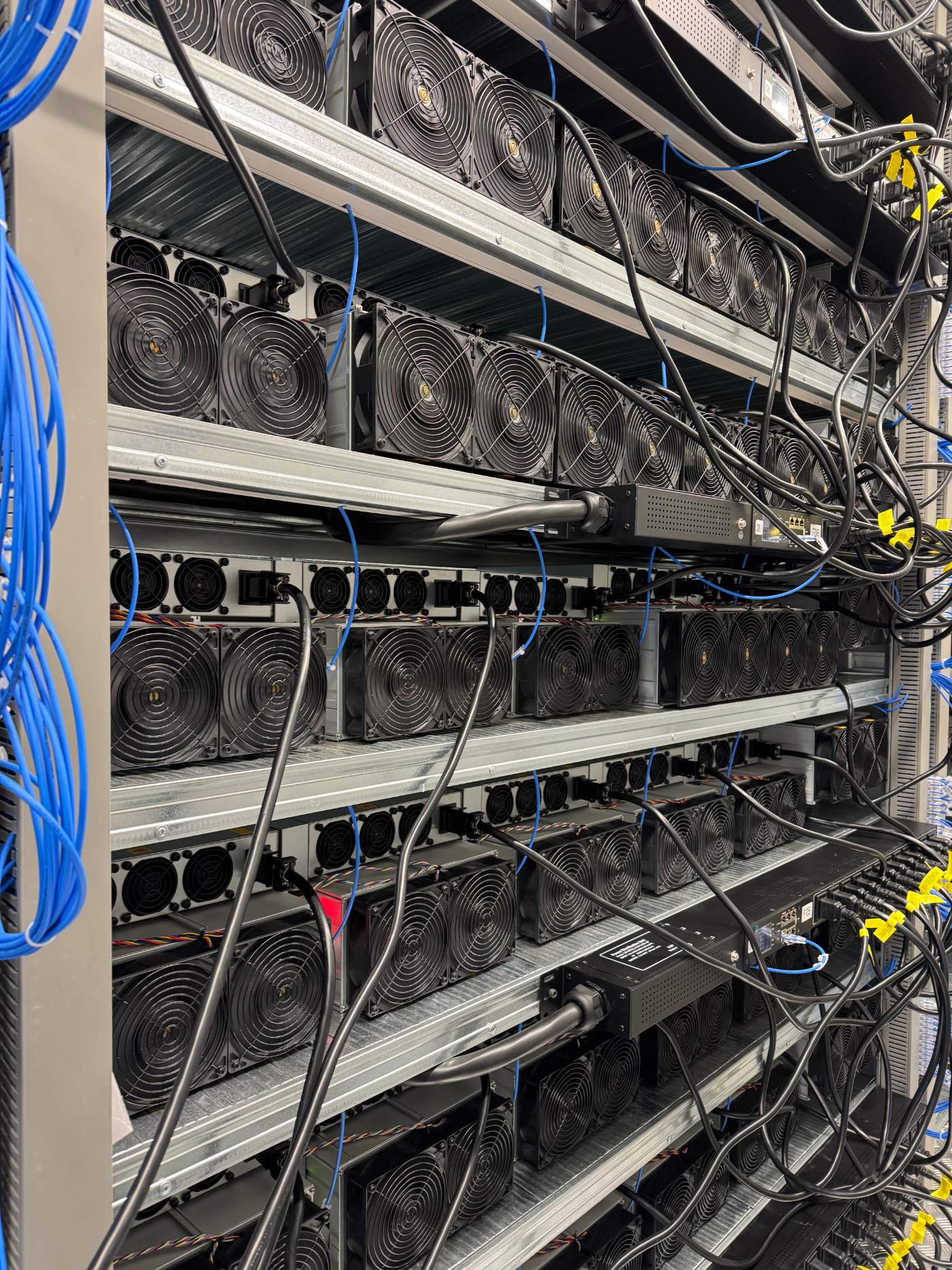
Power, land, climate, connectivity, permits and neighbours. The decisions that are made once, and everything else you can still change.
The equipment on a site can be replaced, re-racked or re-cooled after the fact. A site with the wrong grid connection, on the wrong land, in the wrong climate, or next to a neighbour who never agreed to the noise cannot be fixed the same way, because those are properties of the location itself, not of what gets built on top of it. Six decisions get made once, on the day a site is chosen, and everything an operator does afterwards works within the limits those six decisions set.
The six that stay fixed once you sign
Most of what happens after a lease is signed is still negotiable: the equipment mix, the hosting terms, the staffing model, even the cooling method. The six items below are not. Each one is a property of the location itself, with a check question to put before you commit to it.
- Power: can the grid connection at this site deliver and hold the capacity you are planning around, and is that capacity confirmed or assumed?
- Land: do the title, the zoning and the physical ground support a facility of this kind, without a change of use or a survey nobody has run yet?
- Climate: does the ambient range and humidity at this location sit inside what the cooling design was specified against?
- Connectivity: is there a diverse, physically separate path to the networks the operation depends on, or one line with no alternative behind it?
- Permits: does the site already hold the permits a facility like this needs, or does it still need approvals that are not yet guaranteed?
- Neighbours: who sits close enough to the boundary to notice noise, traffic or lighting, and have they been asked?
Power, land and climate
A grid connection is not something a hosting site can quietly upgrade after the fact. The capacity available at a point of connection is set by what the surrounding network can carry, and increasing it means a new application, a new position in a queue, and a timeline the site itself does not control. What can still change later is how the available capacity gets used: load shaping, curtailment participation. What cannot change is the ceiling itself. Ask for the confirmed capacity in writing, not a verbal estimate, and whether it is firm or subject to curtailment, since those describe very different sites. We go through what a connection queue and its timeline look like in grid connection steps and lead times.
Land is fixed in a different way. Zoning, title and the physical ground beneath a site do not change because a facility works well on paper. A parcel that turns out to sit on unsuitable ground, or that carries a use restriction nobody checked before signing, is a problem with no operational fix, only a legal or engineering one. What can still change is the site's internal layout: building placement, access routes, expansion sequencing. What cannot change is the boundary itself, or what is legally allowed to happen inside it. Ask for the title and zoning documentation directly, and ask whether a geotechnical survey already exists for the parcel or still needs commissioning.
Climate sits underneath every cooling decision a site makes, and it is the one variable no mechanical design can talk its way around. A cooling system specified for one ambient range does not simply adapt to a different one; it runs outside its design envelope, and the effect tends to show up as reduced headroom on the days ambient sits at the top of its range, rather than as an outright failure, which makes it easy to miss until it matters. What can still change is the cooling method chosen for the climate a site has. What cannot change is the climate itself. Ask what ambient range the cooling design was specified against, and whether that range reflects the actual site or a generic assumption.
Connectivity, permits and neighbours
A single fibre path into a site is a single point of failure dressed up as a connection. Adding a second, physically diverse path after the fact usually means new trenching, a new agreement with a different carrier, and construction across land the operator may not fully control: a harder project than building the second path in from the start. What can still change is which carriers and which services run over the paths that exist. What cannot easily change is whether a second, physically separate path exists at all. Ask whether the site's connectivity is diverse at the physical layer, not only at the carrier or contract layer, since two contracts over the same duct are not redundancy.
A permit that has not been granted is a risk sitting on someone's desk, not a property of the site, and it can turn a site that looks ready into one that is not, for reasons entirely outside an operator's control. Retrofitting a permit after construction has started is possible in some places and effectively impossible in others. What can still change is the operating profile the site applies for. What cannot change is whether the underlying permit exists or is achievable at all. Ask to see the permits already granted, in writing, and ask which further approvals the site still needs before it can run at the capacity being discussed.
A neighbour who was never consulted has no reason to be patient once a site is running, and a complaint after the fact is a far harder problem to resolve than a conversation before construction, because by then the layout, fencing and equipment positions are already fixed. What can still change is how noise and traffic are managed operationally. What cannot easily change is the physical distance between the equipment and the boundary, or a relationship that started on the wrong footing. We cover the mechanism behind this, and the questions to ask about it, in noise and site selection. Ask who sits within range of the site's noise and activity, and whether they have been spoken to or only assumed to be fine with it.
Comparing sites on equal terms
Comparing two or more candidate sites only works if the comparison asks the same question of each one, and the natural failure mode is comparing whichever numbers happen to be available rather than the same set of checks applied consistently. A site with a confirmed connection and an unresolved permit is not directly comparable to one with the reverse; both have open items sitting on opposite sides of what is still fixable. Build one checklist covering all six points above, apply it to every candidate site in the same order, and treat a missing answer as a gap, not an assumption. A site that cannot yet answer a question is not necessarily worse, only not yet comparable to one that can.
What to ask for before you commit
Before treating any site as decided, ask the operator for documentation on each of the six points above, rather than a verbal summary: the confirmed grid capacity and its connection status, the land title and zoning record, the design ambient range behind the cooling system, evidence of physical path diversity for connectivity, the permits already granted against those still pending, and a record of who has been consulted near the boundary. No single document guarantees a site will work out. Their absence tells you which of the six points is still an assumption rather than a fact, and you want to know that before signing rather than after.
Our operations page sets out the specification our facilities follow for power, cooling, network and access, with power contracted and energised before hardware arrives. The points tied to a specific location (land, permits, neighbours) are for the site visit that comes before a service order.