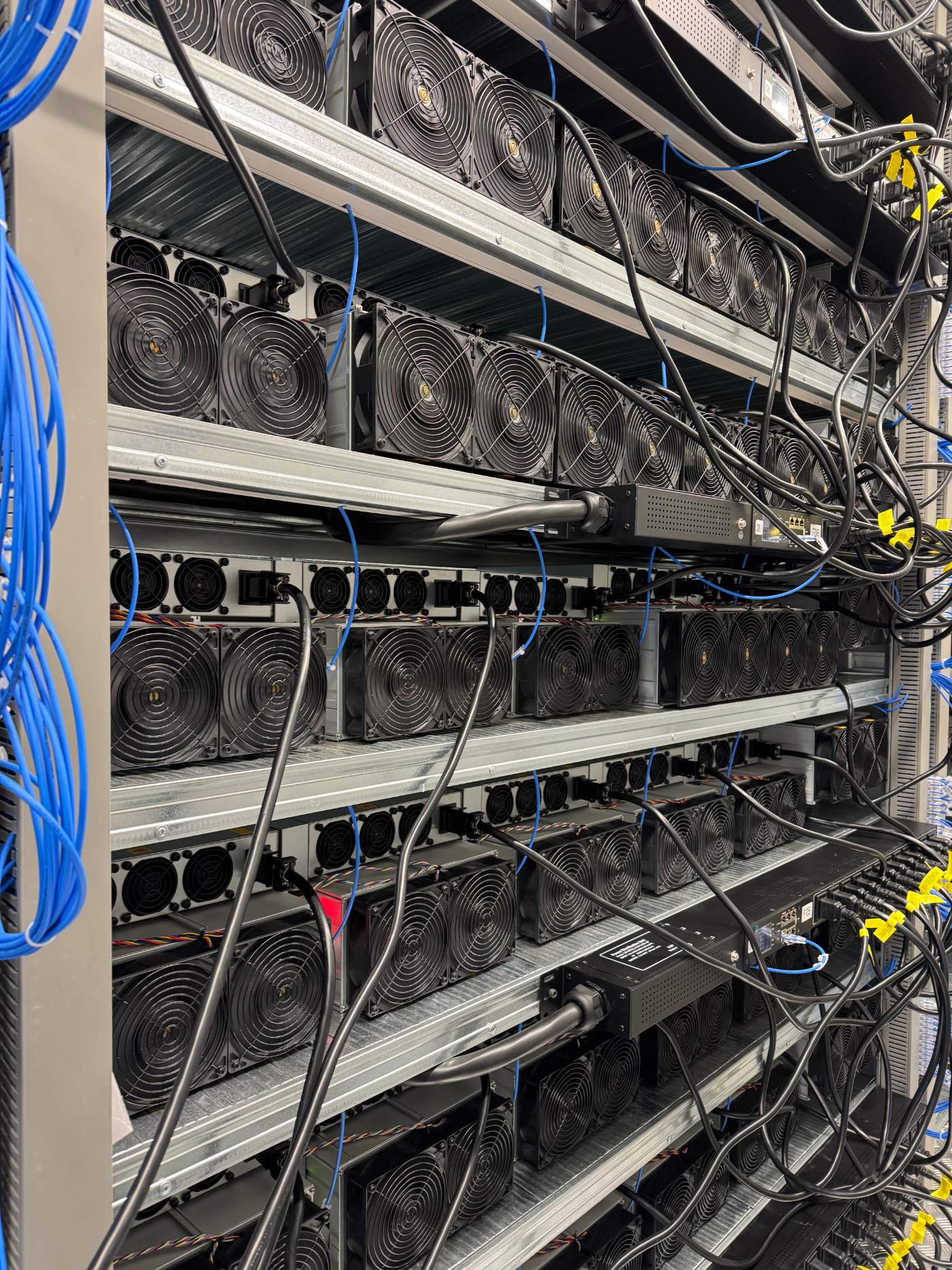
The long-lead items behind a site, what a real delivery date looks like, and how to tell a plan with a purchase order from a plan without one.
What has to happen between an operator telling you power is being energised next quarter, and a rack you can plug hardware into, and how much of that is already committed rather than merely planned? The gap between the two dates is rarely the operator's own construction schedule. It is usually sitting in a handful of long-lead components that were ordered, or not yet ordered, months before the conversation you are having now.
The components that set the schedule
A site's timeline is set less by the building around it than by a small list of pieces of equipment: the transformer that steps utility power down to a usable voltage, the medium-voltage switchgear that protects and distributes it, and the utility's own interconnection and metering work upstream of both. Transformers in particular are built to order rather than kept on a shelf, and demand for them has been running well ahead of manufacturing capacity across the utility and industrial sectors generally, not just from data centre and hosting projects. Switchgear sits in a similar position: configured for a given site and built against a manufacturer's production queue rather than pulled from stock. Neither component is something an operator can simply expedite by asking; the queue is shared with every other buyer who ordered before you did.
Civil and electrical works on site (cabling, containment, earthing and the physical build that ties a transformer to a distribution board) tend to move faster than the equipment itself and rarely set the critical path on their own. The utility's side of the interconnection, by contrast, runs on a schedule the operator does not control at all: a study to confirm the connection is safe for the wider network, an agreement setting out who builds what, and in many cases a construction programme carried out by the utility or its contractor rather than the site operator. An operator can push its own work forward. It cannot push the utility's.
An order and an intention are not the same thing
This is where the distinction that matters sits. A budgetary quote from a manufacturer tells you what a transformer would cost and roughly how long a build would take if the order were placed today. A purchase order tells you a specific unit has a confirmed slot in that manufacturer's production schedule, usually against a deposit already paid. The two are often described in the same sentence, "the transformer is on order", when only one of them is true. Has a purchase order been issued, or is the operator describing an intention to issue one? Is there a manufacturer-confirmed ship window attached to that order, or a general estimate of category lead times? The difference between those answers is the difference between a schedule and a plan to make a schedule.
What you can reasonably ask an operator to show
You are not asking for commercially sensitive pricing, and a straightforward operator will not treat the question as one. What is reasonable to ask for is evidence that the gating items are moving:
- Confirmation that a purchase order has been issued for the transformer and switchgear, not a quote.
- The manufacturer-confirmed ship window attached to that order, however wide it is.
- Whether a deposit has been paid, which is usually what converts a quote into a firm order.
- The status of the utility interconnection agreement, and whether construction on the utility side has started.
- Who owns the next milestone date, the operator or the utility, and what happens if that party misses it?
A host that operates the site should be able to answer each of these directly, since the answers describe work the operator is either doing or waiting on, not a third party's private schedule.
Why quoted dates move, and what that tells you about the plan behind them
Dates slip for identifiable reasons: an interconnection study takes longer than the utility initially estimated, a permit is delayed, a manufacturer reallocates production capacity towards a larger order placed after yours, or a design change on site pushes the equipment specification back to the manufacturer for revision. A slip for any of these reasons is not bad faith on the operator's part. What separates a reliable date from an optimistic one is whether the operator can name the specific item still outstanding, or whether the explanation stays general. A date defended with "the transformer is coming" is a different statement from a date defended with a named order, a ship window, and a plan for what happens if that window slips. The same distinction runs through the difference between announced and energised capacity more broadly: a number attached to a plan is not the same number as one attached to equipment already ordered and on its way.
What to ask before treating a delivery date as real
Before a quarter gets written into your own deployment plan, ask the operator directly for the purchase order status behind it, the confirmed ship window, and the name of whichever party (operator or utility) owns the next milestone. An operator with nothing to hide about the state of its build-out will generally answer in writing without needing to be pushed.
Our operations page gives our total capacity and the number of active projects, and the energised capacity for your own deployment is set out in the service order, as our hosting rate page shows.